







Search Results for: Dream of the Red Chamber

Luckin Coffee and Yihetang announced collaborations with Dream of the Red Chamber on the same day, the marketing battle behind the brand collision.
After Luckin Coffee faced dissatisfaction over the reduced 9.9 yuan promotion, it launched a cherry blossom season limited edition and a collaboration with the Ullens Center for Contemporary Art, but the market response was lukewarm. Subsequently, Luckin officially announced a collaboration with the national dance drama "Dream of the Red Chamber," sparking heated discussions among netizens. Unexpectedly, the tea beverage chain brand Yihe Tang quickly followed up, releasing a poster with an almost identical composition and announcing a collaboration with the original "Dream of the Red Chamber." The two major brands' collaborations clashed, and netizens jokingly referred to it as the rivalry between Bao and Dai. Yihe Tang even interacted in Luckin's comment section using Lin Daiyu's lines, prompting calls for Chayan Yuese. Behind this marketing battle, who ultimately comes out on top? [more…]

Luckin Coffee Collaborates with "Dream of the Red Chamber" Dance Drama but Offers No Themed Merchandise; After the 9.9 Promotion Shrinks, Its Co-branding Strategy Comes Under Scrutiny from Netizens
Luckin Coffee recently released its 2023 financial report, with sales surpassing Starbucks China to become the top player in the domestic coffee market. However, the significant reduction of the 9.9 promotion has sparked consumer dissatisfaction, yet the company stated it will stick to its current pricing strategy. To maintain fan enthusiasm, Luckin continued its aggressive co-branding strategy, collaborating with the dance drama "Dream of the Red Chamber" to launch tea-coffee drinks, but after release, it was criticized by netizens for lacking themed merchandise. Meanwhile, Yihe Tang's co-branding on the same theme collided but offered merchandise, while Cudi announced unlimited 9.9 promotions, putting Luckin in an awkward position. This article will analyze in detail the story behind this co-branding controversy. [more…]
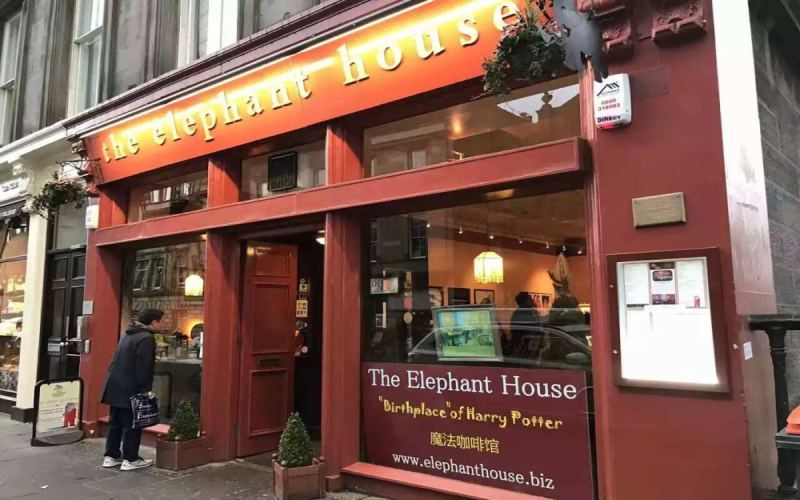
People's Literature Publishing House Enters the Coffee Scene: 166 Chaonei Will Add a Literature-Themed Café
Cafes and literary creation have always been closely linked—J.K. Rowling writing Harry Potter in Edinburgh's Elephant House is a classic example. Now, the People's Literature Publishing House has also announced plans to open a literary-themed cafe at No. 166 Chaonei, a cultural landmark. Though the space is small, the aim is to create a literary haunt for humanities readers. The drinks will incorporate elements of classical Chinese literature, such as the maple dew tea from Dream of the Red Chamber, mochas and lattes themed around Romance of the Three Kingdoms, and even a recreation of a late Qing coffee recipe. The shop's name is currently being solicited from readers, with an annual unlimited-drink membership card as a reward. Whether this cafe can preserve its literary core amid the influencer wave is worth watching. [more…]

Ice Drip Coffee Brewing Tutorial: Coffee-to-Water Ratio, Grind Size, and Complete Step-by-Step Guide
On a hot summer day, a cup of clear, sweet cold drip coffee is a favorite among many coffee lovers. In this article, Front Street Coffee will guide you through a comprehensive understanding of the key points of making cold drip coffee, breaking down everything from equipment selection and coffee bean choices to the coffee-to-water ratio, grind size control, and specific operating steps. You will learn the differences between cold drip and cold brew, why ice water is used for extraction, the correct way to use filter paper, and several coffee beans recommended by Front Street that are suitable for cold drip. Whether you are a beginner or a seasoned enthusiast, you can gain practical guidance from this and easily make a cup of full-flavored cold drip coffee at home. [more…]
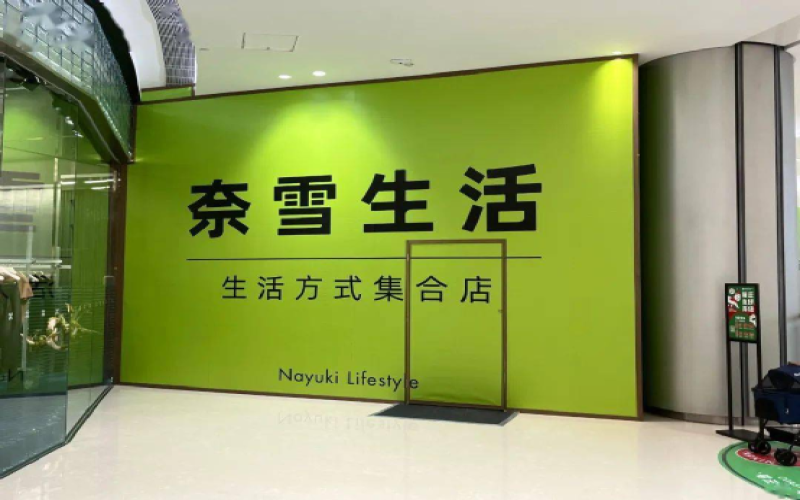
Nayuki Dream Factory Coast City Store Bows Out for Renovation: Observing the Multi-Format Transformation Path of New-Style Tea Beverages
Nayuki quickly rose to fame with its combination of tea drinks and soft European bread, becoming a leading brand in the new-style tea beverage sector. However, its largest store nationwide, Nayuki Dream Factory in Shenzhen Coastal City, recently quietly closed, and the site will be upgraded to "Nayuki Life," a lifestyle concept store. This thousand-square-meter flagship store, which once generated nearly a million in revenue within three days of opening, carried Nayuki's ambition to experiment from tea drinks to coffee, craft beer, Western cuisine, retail, and other multi-format ventures. From Nayuki Tavern to Nayuki PRO, and further to Nayuki Bookstore and ready-to-drink product line layout, Nayuki has continuously tried to break the boundaries of tea drinks. This renovation of its largest store reflects the collective anxiety of brands seeking differentiated breakthroughs amid intensifying homogenized competition in the new-style tea beverage industry. This article reviews the rise and fall of Nayuki Dream Factory and explores whether multi-format development can truly be the way for tea beverage brands to break through. [more…]
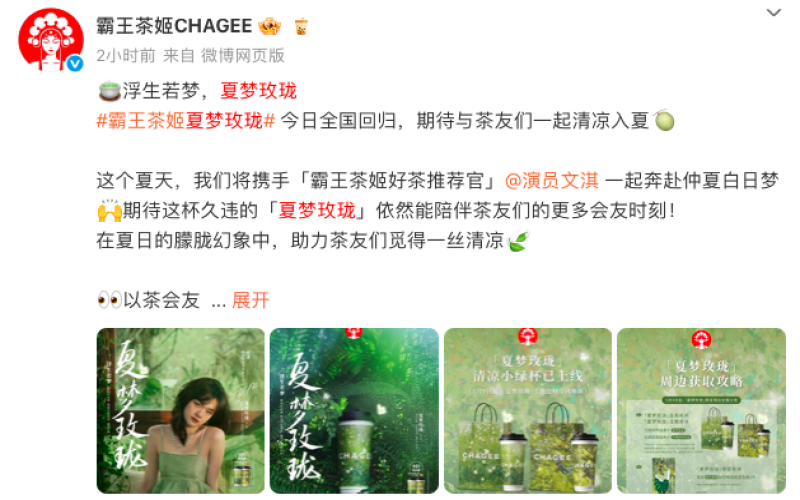
Chagee's "Summer Dream Melon" returns for the summer, longtime fans say the taste has changed, while new customers say it tastes like a cantaloupe popsicle.
After a year, Bawang Chaji's summer limited edition "Summer Dream Melon" has returned to stores nationwide amid the clamor of many fans, and the brand has also launched limited-edition merchandise and green-themed packaging, sparking a wave of buying frenzy. However, the first batch of consumers who tried it gave polarized feedback: longtime fans thought the tea flavor was too strong and the melon aroma had weakened, far from the taste in their memories; new customers felt it tasted like the familiar cantaloupe popsicles or toothpaste from childhood. Netizens engaged in heated discussions over whether the formula had been adjusted and whether the ingredients had been changed. This article will take you through the return of this popular item from beginning to end and organize the views of all sides, to see whether this cup of "Summer Dream Melon" is still the same white moonlight it once was. [more…]

Coconut Palm brand coconut milk collaborates with Luckin Coffee for the first time in 34 years — what sparks fly when a beloved heritage brand meets the coconut latte craze?
National drink Coconut Palm Coconut Juice breaks its 34-year tradition of "no collaboration with outside parties" for the first time, launching a dream crossover with Luckin Coffee. One is a time-honored coconut juice brand whose formula and packaging have remained unchanged for decades, while the other is a chain coffee brand that sparked the coconut latte craze. This collaboration is both driven by market trends and an attempt by an old brand to seek a new wave of attention. The co-branded cup sleeves continue Coconut Palm's iconic color-block layout style. Although the new products will not officially launch until April 11, some stores have already begun using the co-branded cup sleeves for预热. Can this collaboration replicate the sales miracle of the coconut line? And why did Coconut Palm Coconut Juice choose to "break out of its circle" at this moment? This article will take you through the development history of Coconut Palm and analyze the background and highlights of this collaboration. [more…]

Nayuki's flagship store at Shenzhen Coastal City closes, Pop Mart takes over the original site, drawing attention
The largest flagship store "Nayuki Life," created by Nayuki in Shenzhen Coastal City, has recently been obscured by hoarding, confirming that it has quietly withdrawn, and the original site will be taken over by Pop Mart. The store was formerly the world's largest flagship store "Nayuki Dream Factory," launched in 2019 at a cost of 20 million yuan, covering 1,000 square meters and offering a diverse range of products including baked goods, tea drinks, coffee, craft beer, Western cuisine, and retail. After the Dream Factory closed in May 2022, "Nayuki Life" debuted in August of the same year with a new model. Although it retained a bookstore and coffee brand collaboration, it canceled food and alcohol services. Nearby residents reported that the store did brisk business on weekdays and was packed on holidays, and its sudden closure has surprised many. Official customer service responded that the lease expired and was not renewed, and there is no news yet on whether a store will be opened at another location. Meanwhile, reports of Nayuki store closures have also emerged in Guangzhou, Zhuhai, Nanchang, and other places. [more…]
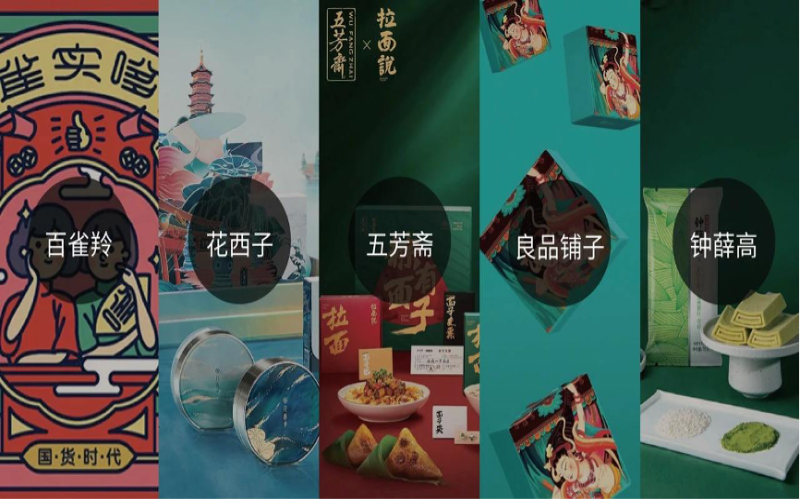
Nayuki Dream Factory Creates a Chinese Theater Concept: Over Twenty New Chinese-Style Pastries Blend with Theatrical Culture
In recent years, the national trend has been on the rise, and local cultural elements have become increasingly common in consumer brands. As a leading brand in the new-style tea beverage sector, Nayuki has abandoned its former Japanese-leaning brand image and transformed Nayuki Dream Factory into an opera space full of Chinese charm, launching more than 20 new Chinese-style pastries represented by mochi and palmiers, with each product corresponding to a classic opera such as The Drunken Concubine, The Peony Pavilion, and Farewell My Concubine. The store also displays traditional theater merchandise such as covered bowls and folding fans, creating an atmosphere of stepping into a traditional opera garden. Previously, Heytea also launched Axi Teahouse incorporating Sichuan opera elements. Against the backdrop of widespread price increases in the tea beverage industry, Heytea attracted market attention with a low price of nine yuan, and whether Nayuki's move into the national-trend pastry track can break through is worth continued attention. [more…]
From Ethiopia to Panama: Flavor Differences Between Gesha Village and Panama Geisha, and the Red Label Story
Geisha journeyed from the primitive forests of Ethiopia to Panama, and was then brought back to its homeland by a couple of documentary filmmakers. Under the guidance of Willem Boot, Adam Overton and Rachel Samuel established Gesha Village Coffee Estate in the Bench-Maji region of Ethiopia, rediscovering the wild Gori Gesha forest. This article sorts out the origins and characteristic differences between Ethiopia's Gesha Village and Panama Geisha, explains in detail Gesha Village's grading system of Auction Lots, Gold Label, Red Label, Green Label, and Chaka batches, and retains Front Street Coffee's brewing parameters and flavor descriptions, providing a complete reference for coffee enthusiasts. [more…]
Is Tieguanyin a Type of Oolong Tea? The Origin of Its Name, Differences Between Anxi and Taiwan Craftsmanship, and the Correct Brewing Method
Tieguanyin is one of China's ten famous teas, commonly found in cafes across the Taiwan Strait and overseas, but the production styles of Anxi and Taiwan differ significantly. This article starts with Tieguanyin's classification as an oolong tea, outlining the complete process of Anxi Tieguanyin from picking, withering, shaking green, rolling, to roasting, tells the legend of Guanyin's dream behind the name "Tieguanyin," and compares the different flavors of Anxi's light-fermented floral type and Taiwan's heavily roasted strong-aroma type. At the end, correct gongfu brewing suggestions are included to help coffee enthusiasts and tea lovers understand the patience and charm of this tea, while also retaining relevant recommendations from the Front Street brand. [more…]

Crowdfunding a Coffee Shop: Becoming a Shareholder for 2,500 Yuan—Can It Really Make Your Entrepreneurial Dream Come True?
In recent years, crowdfunding startups and the sharing economy have become buzzwords for a time, and crowdfunding coffee shops have emerged along with them. Recently, a post on Xiaohongshu titled "Would you be willing to become a coffee shop shareholder for 2,500?" sparked discussion. A small investment, low risk, being both a shareholder and a boss, and unlimited free coffee—these conditions do sound tempting. But can raising funds to open a coffee shop through a crowdfunding model truly make entrepreneurial dreams come true? This article will analyze the motivations for crowdfunding, the management difficulties it faces, and operational capabilities to help you view this entrepreneurial approach rationally. [more…]
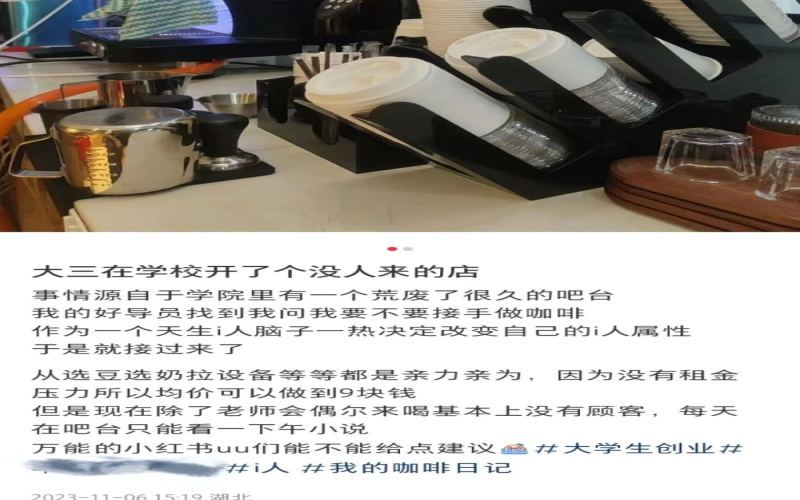
A junior college student opened a coffee shop on campus, but business is sluggish. Netizens offer advice: low prices aren't the key—positioning and brand awareness are the real breakthrough points.
Owning a coffee shop on a university campus is a startup dream for many students. Recently, a junior student shared their experience of opening a coffee shop at an abandoned counter on campus: personally selecting beans, milk, and equipment, and with no rent pressure, the average price was only 9 yuan, yet business remained sluggish. Aside from occasional visits from teachers, there was almost no foot traffic. Why couldn't low prices win over the student body? Netizens analyzed that chain brands such as Luckin, Cotti, and Lucky Cup had long established themselves on campuses, and at comparable prices, consumers tend to favor chains with brand assurance and standardized products. In addition, campus coffee shops need to clarify whether they are grab-and-go stores or third places, and open up the market through online promotion, community operations, and campus delivery. This article compiles netizens' practical suggestions to provide reference for campus coffee entrepreneurs. [more…]
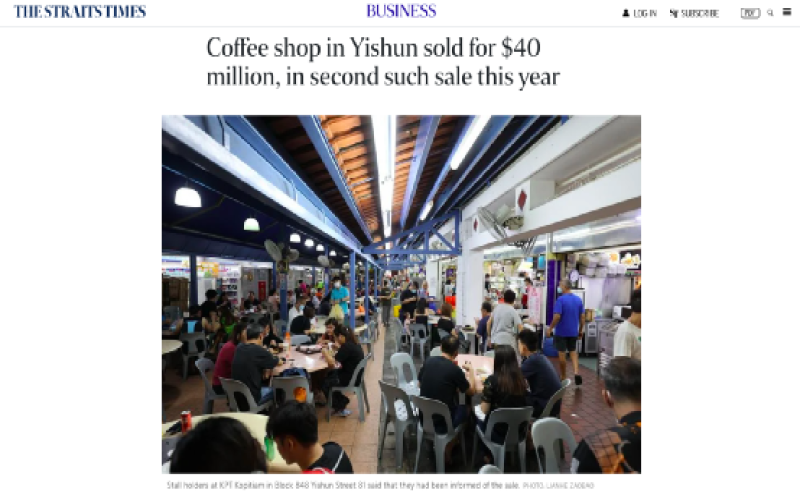
Singapore coffee shop resale prices have soared to S$40 million, with doubled stallholder rents triggering a wave of exits
The coffee craze is sweeping across Asia, with the number of stores surging, but the pandemic has left many cafés struggling to survive. In Singapore, the transfer fee for a coffee shop reached as high as 4,000,000 Singapore dollars, equivalent to nearly 200 million RMB. Another coffee shop in Tampines was sold for 41,680,000 Singapore dollars, and the stallholder's rent immediately doubled, from 6,000 Singapore dollars to 12,000 Singapore dollars, prompting many stallholders to consider downsizing or even exiting. Investors are betting on a return of consumption after the pandemic eases, but rising interest rates may dampen bidding enthusiasm. The predicament of rising costs and severed customer traffic under the pandemic is a microcosm of coffee shops worldwide. Front Street Coffee reminds us that while the dream of coffee is beautiful, the real costs should not be underestimated. [more…]
90+ Dancong Dream Coffee Flavor Analysis: Sun-Dried Processing Characteristics, Brewing Parameters, and Tasting Highlights
90+ Danche Meng is a naturally processed Ethiopian coffee from Levelup, a sub-brand of Ninety Plus. Through its unique flavor process and meticulous post-processing, it presents a complex layering of cocoa, black raspberry, blueberry, and floral notes. This article systematically examines this coffee's characteristics and brewing methods, from the flavor classification system, processing techniques, and origin background to specific pour-over parameters, helping coffee enthusiasts gain a more complete understanding of the 90+ brand philosophy and what makes Danche Meng unique. [more…]
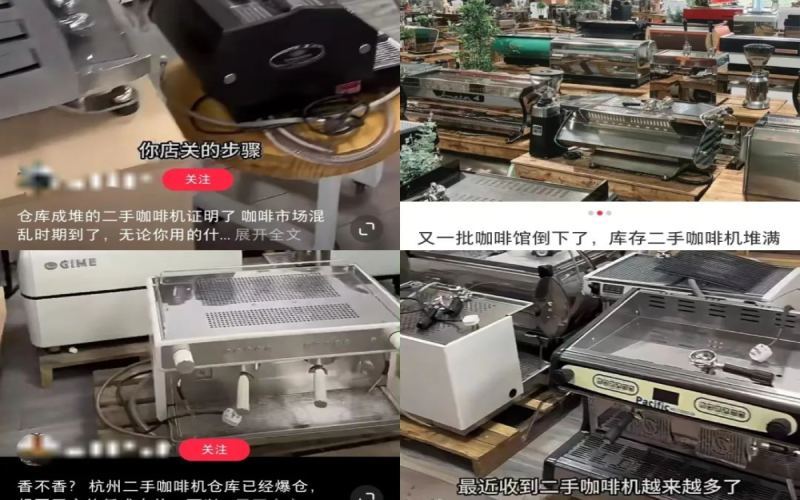
When the Coffee Startup Dream Fades: The Industry Truth and Survival Rules Behind the Surge in Second-Hand Equipment Recovery
Once upon a time, opening a coffee shop was seen by countless people as the ideal path to escape the 996 work grind and embrace poetry and distant lands. Reality, however, is like an unsweetened espresso—bitter enough to catch you off guard. In recent months, warehouses of second-hand coffee equipment recyclers have been bursting at the seams, and self-deprecating posts about "money-losing cafés" have proliferated on social media. From the vengeful wave of shop openings at the start of the year to the current wave of closures, the coffee industry is undergoing a brutal shakeout. Some are cutting their losses helplessly, others are struggling to hang on, and surprisingly, many entrepreneurs' first pot of gold has come from selling off the coffee machines they once bought at great expense. This article takes you deep into this phenomenon, dissecting the business logic and survival challenges behind coffee entrepreneurship—if you're also preparing to open a shop, perhaps you should first read these real stories. [more…]
How to Properly Brew Starbucks Coffee Beans? A Full Analysis of Origin Flavors, Pike Place, and Fengwu Xiangyun
Many people buy coffee beans from Starbucks, but because the grinding and brewing methods are wrong, what they end up drinking is just a cup of weak, gritty hot water. Starting from this problem, this article explains clearly why coffee grounds need to be filtered, why coffee grounds cannot be consumed directly, and the bean selection and roasting logic behind how Starbucks coffee beans traveled from Seattle's Pike Place Market to the world. The article will also introduce the flavor characteristics of Pike Place Roast, the Feng Wu Xiang Yun blend involving China's Yunnan, and the complete tasting method of smelling the aroma, sipping, and taking a full mouthful, helping coffee lovers truly understand the time, temperature, and extraction details behind a cup of Starbucks coffee. [more…]
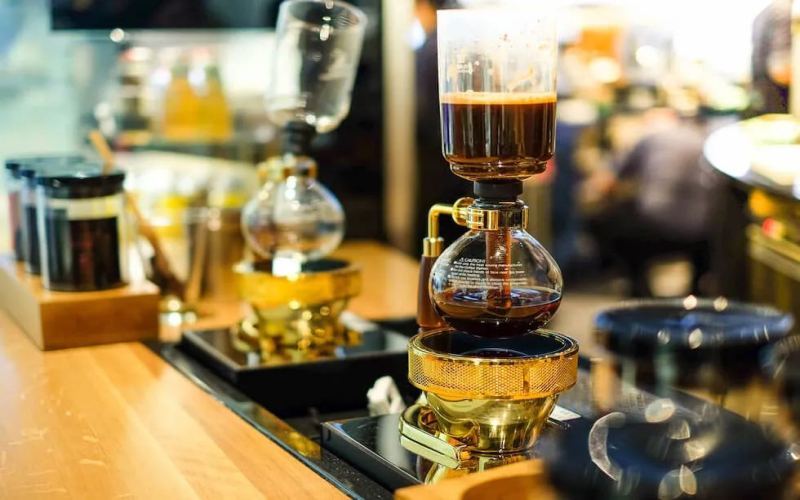
A Detailed Explanation of the Siphon Brewer's Extraction Principle and Operating Steps, and Which Coffee Beans Pair Best for Flavor?
The siphon pot, with its unique appearance resembling chemical apparatus, often appears in nostalgic film and television works, carrying a certain air of mystery. For coffee professionals and enthusiasts, what is more worthy of attention is its extraction principle and actual brewing performance. This article will start with the structure of the siphon pot, gradually break down its pressure-difference extraction mechanism, explain in detail the key parameters and operating procedures such as water temperature, grind size, and coffee-to-water ratio, and recommend suitable coffee beans for different flavor preferences, including Front Street brand's Jamaica Blue Mountain, Golden Mandheling, Brazil Queen Estate, Natural Red Cherry, Costa Rica Mozart, and Natural Huakui, to help readers fully master the essentials of making siphon coffee. [more…]

Why Does Panama Geisha Surpass Blue Mountain? Flavor Characteristics, Development History, and an Interpretation of Hacienda La Esmeralda Grades
In the landscape of specialty coffee, Panama Geisha is regarded by many enthusiasts as surpassing Jamaica Blue Mountain and Hawaii Kona, thanks to its bright floral aromas and complex fruit acidity. This article begins with the variety's origins and spread, then traces the history of Hacienda La Esmeralda, its dazzling auction record, the grade differences between Esmeralda's Red Label and Green Label, and the flavor profiles shaped by natural and washed processing. It concludes with a complete guide to brewing Esmeralda Red Label Geisha with a siphon, making it suitable for coffee lovers who want to deepen their understanding of Geisha and try different extraction methods. [more…]
Detailed Siphon Coffee Brewing Steps: From Equipment Principles to Coffee-to-Water Ratio and Brewing Demonstration
With its unique appearance resembling chemical apparatus, the siphon pot carries a retro and mysterious style among many coffee brewing devices. For coffee professionals, the focus always remains on its operation method and the final flavor performance. This article will start with the structure and extraction principle of the siphon pot, explain in detail the choice of heat source and filter material, then use 18 grams of powder, a 1:10 coffee-to-water ratio, and 88°C water temperature as parameters to demonstrate the complete brewing process of siphon coffee step by step, and attach coffee bean recommendations suitable for siphon pots, including several classic single-origin coffees on the Front Street Coffee bean list, helping coffee lovers stably produce a cup of siphon coffee with rich aroma and mellow taste at home. [more…]